Detailed close-up of residential asphalt roof shingles stained with long, vertical black streaks of Gloeocapsa magma algae.

Is That Algae? How to Identify and Prevent Organic Growth on Louisiana Roofs

Is That Algae? How to Identify and Prevent Organic Growth on Louisiana Roofs

You pull into your driveway and notice them—ugly, dark streaks staining your otherwise beautiful roof. Is it dirt? Is it mold? More importantly, is it causing damage? These unsightly marks are an all-too-common sight on Louisiana roofs, a direct result of the state’s famously hot and humid climate. They are not just stains; they are living organisms setting up camp on your shingles.

A beautiful suburban house in a lush, green Louisiana-style setting, with its curb appeal diminished by noticeable dark algae stains on the roof.

At orlando-real-estate.biz, we’ve seen firsthand how a home’s exterior impacts its value. While we’re based in Florida, we understand the unique challenges of maintaining a home in a hot, humid climate like Louisiana’s. This guide draws on our expertise in property value and maintenance to help you identify, prevent, and treat the organic growth that could be diminishing your home’s curb appeal and structural integrity.

Key Takeaways

  • The black streaks on Louisiana roofs are typically a type of algae called Gloeocapsa magma.
  • This algae, along with moss and lichen, thrives in Louisiana’s hot, humid environment and can damage shingles by trapping moisture.
  • Organic growth isn’t just an eyesore; it can reduce your home’s energy efficiency, shorten your roof’s lifespan, and negatively impact property value.
  • Prevention methods include trimming overhanging trees, ensuring proper attic ventilation, and installing zinc or copper strips.
  • For removal, professional soft washing is recommended over high-pressure washing to avoid damaging your roof.

TL;DR

The black streaks on your Louisiana roof are a type of algae that feeds on your shingles. This growth traps moisture, increases energy bills, and hurts your home’s value. You can prevent it by increasing sunlight on your roof and ensuring good ventilation. To remove it safely, hire a professional for a “soft wash” cleaning, as pressure washing can cause severe damage.

What Are Those Black Streaks on Your Louisiana Roof?

Those dark stains aren’t a sign that your roof is dirty or old—they’re a sign that it has become an ecosystem. Understanding what you’re dealing with is the first step toward solving the problem.

It’s Not Dirt, It’s Alive! Meet Gloeocapsa Magma

The primary culprit behind the black streaks on asphalt shingle roofs is a type of blue-green algae known as Gloeocapsa magma.

Gloeocapsa magma: A species of cyanobacteria that is airborne. Its microscopic spores are carried by the wind and can land on any roof. Once there, it begins to feed on the limestone filler used in most modern asphalt shingles, using it as a source of nutrients.

As the algae colonies grow, they develop a dark, hardened outer shell. This blackish coating acts as a sunscreen, protecting the organism from the sun’s harsh UV rays. This protective shell is what you see as the distinctive and unattractive streaks running down your roof.

Why Louisiana is a Perfect Breeding Ground

If it feels like every other roof in your Louisiana neighborhood has these streaks, you’re not imagining things. The state’s climate creates a “perfect storm” of environmental factors that allow Gloeocapsa magma and other organisms to flourish:

  • High Humidity: Louisiana’s air is thick with moisture, providing the constant dampness these organisms need to survive and reproduce.
  • Abundant Heat: The long, hot summers accelerate the growth cycle of algae, allowing it to spread much faster than it would in a cooler, drier climate.
  • Frequent Rain: Regular rainfall not only keeps the roof moist but also helps the algae spores travel. As rain washes down the roof, it carries the spores with it, creating the characteristic vertical streak pattern.

Is It Algae, Moss, or Lichen? How to Identify Organic Growth

While Gloeocapsa magma is the most common offender, it’s not the only uninvited guest that might appear on your roof. Moss and lichen can also take hold, and each presents a unique threat. Here’s how to tell them apart.

Organism Appearance Texture Location & Risk
Algae Flat, dark-black or blue-green streaks that run vertically down the roof. Slimy when wet but not noticeably raised from the shingle surface. Most common on north-facing roof planes that get less sun and stay damp longer. The primary risk is granule loss and moisture retention.
Moss Thick, fuzzy, or carpet-like green patches. Spongy and distinctly raised. It has a shallow, root-like structure called rhizoids. Can grow anywhere but thrives in shady, damp areas. It is highly destructive as it lifts the edges of shingles and traps massive amounts of water against the roof deck, leading to rot.
Lichen Crusty, scaly, or leafy-looking splotches in various colors like pale green, gray, yellow, or orange. Hard and flat, but it has a very strong, penetrating root system that digs into the shingle. The most tenacious of the three. Its root-like structures embed deeply into the shingle’s surface, making it extremely difficult to remove without causing significant granule loss.

The Real Damage: How Organic Growth Impacts Your Roof and Your Wallet

A stained roof might seem like a purely cosmetic issue, but the damage it causes goes far beyond curb appeal. The long-term consequences can be severe, affecting your home’s structure, energy bills, and overall market value.

Beyond Curb Appeal: The Structural Risks

All three types of organic growth—algae, moss, and lichen—act like sponges. They absorb and hold rainwater, keeping your shingles perpetually damp long after a storm has passed. This constant moisture is the enemy of a healthy roof.

  • Shingle Deterioration: The limestone filler in asphalt shingles is a food source for algae. As the algae consumes it, the shingle’s structure weakens. The moisture trapped by the growth loosens the protective ceramic granules, which are essential for reflecting UV rays and protecting the asphalt underneath. This leads to premature aging, curling, and cracking.
  • Wood Rot: Moss is particularly dangerous because its root systems can lift the edges of your shingles. This breaks the watertight seal between them, creating a direct pathway for water to seep underneath. Once moisture reaches the wooden roof decking, it can lead to widespread rot, a costly and complex structural repair. The reasons Louisiana roofs are failing early often trace back to moisture intrusion, a problem exacerbated by organic growth.

Energy Inefficiency and Higher Bills

Your roof plays a significant role in regulating your home’s temperature. A clean, light-colored roof reflects sunlight, keeping your attic and home cooler. However, a roof covered in dark Gloeocapsa magma streaks does the opposite. According to the U.S. Department of Energy, a “cool roof” can stay more than 50°F cooler than a traditional roof in the summer sun. By covering your roof in a heat-absorbing black layer, algae effectively negates this benefit.

A professional in safety gear on a roof, closely inspecting shingles that show signs of organic growth like moss and dark algae stains.

This extra heat absorption warms your attic, forcing your air conditioning system to work much harder to maintain a comfortable temperature indoors. The result is a noticeable increase in your monthly energy bills, especially during Louisiana’s sweltering summers.

The Impact on Home Value and Insurance

From a financial perspective, a neglected roof can be a major liability.

  • Curb Appeal & Property Value: As real estate professionals, we at orlando-real-estate.biz know that curb appeal is a buyer’s first impression. A stained, neglected-looking roof can immediately decrease perceived value and signal poor maintenance to potential buyers. A report from the National Association of Realtors found that a new roof can recover over 100% of its cost at resale, highlighting how much buyers value a healthy, attractive roof. A dirty one can have the opposite effect, potentially scaring buyers away or leading to lowball offers.
  • Home Inspections: During a real estate transaction, a home inspector will absolutely flag significant organic growth on a roof. They will identify it as a potential source of moisture damage and premature failure, which can lead to repair negotiations, delays, or even a canceled sale.
  • Insurance Issues: Homeowners insurance companies are increasingly cracking down on what they perceive as high-risk properties. A roof covered in moss or heavy algae is a clear sign of deferred maintenance. Some insurers may send a notice requiring you to have the roof professionally cleaned or risk having your policy non-renewed or canceled.

Prevention is the Best Medicine: How to Prevent Organic Growth on Your Roof

While cleaning an infested roof is necessary, the best long-term strategy is prevention. Taking a few proactive steps can make your roof a much less hospitable environment for algae, moss, and lichen.

Choosing the Right Roofing Materials

If you’re in the market for a new roof, consider investing in algae-resistant (AR) shingles. These shingles are manufactured with copper granules mixed in with the standard ceramic granules. Copper is a natural algaecide. As it rains, a tiny amount of copper leaches out and washes down the roof, creating an environment where algae cannot survive.

The Importance of Sunlight and Ventilation

Algae and moss thrive in shade and dampness. Your goal is to maximize the amount of sunlight and airflow your roof receives.

  • Trim Overhanging Trees: Large trees that cast shadows on your roof are a primary contributor to organic growth. Keep branches trimmed back at least 6-10 feet from your roofline. This allows sunlight to hit the roof surface and dry it out quickly after it rains, depriving algae and moss of the moisture they need.
  • Ensure Proper Attic Ventilation: A well-ventilated attic helps regulate the temperature of the roof deck from below. It allows hot, moist air to escape, which reduces the condensation that can form on the underside of the roof sheathing. This helps keep the entire roofing system drier and less prone to moisture-related problems.

Installing Zinc or Copper Strips

For existing roofs, a highly effective preventative measure is to install strips of zinc or copper along the ridge cap. Similar to AR shingles, when rainwater flows over these metallic strips, it picks up ions that are toxic to algae and moss. This “treated” rainwater then washes down the entire roof plane, creating a protective barrier that inhibits future growth for years.

The Cleaning Showdown: DIY vs. Professional Roof Cleaning

When it’s time to remove existing growth, you have two main options: do it yourself or hire a professional. While the DIY route might seem cheaper, it comes with significant risks.

The DIY Approach: Risks and Rewards

The primary “reward” of a DIY roof cleaning is saving money on labor. However, the risks are substantial and can easily outweigh the savings.

  • Safety: This is the biggest concern. Walking on a sloped roof is dangerous enough; walking on one that is wet and covered in slimy algae is extremely hazardous. A fall can result in serious injury or worse.
  • Roof Damage: The most common mistake homeowners make is using a pressure washer. The high-pressure stream of water is powerful enough to blast the protective granules right off your asphalt shingles. This effectively strips years off your roof’s lifespan, voids its warranty, and can cause immediate leaks.
  • Wrong Chemicals: Many online tutorials recommend using harsh chemicals like chlorine bleach. While bleach can kill algae, it can also damage shingles, corrode metal gutters and flashing, and kill surrounding landscaping when it runs off the roof.

Why Hiring a Professional is Often the Smarter Choice

A reputable roof cleaning company offers a safer and more effective solution.

  • Soft Washing: Professionals use a technique called “soft washing.” This method relies on specialized, biodegradable cleaning solutions to kill the algae, moss, and lichen at the root. The solution is applied with very low pressure—often no more than a garden hose—to ensure the shingles are not damaged.
  • Proper Equipment & Safety: Professionals have the training, safety harnesses, and proper equipment to work on a roof without risk to themselves or your property. They are also insured, protecting you from liability in case of an accident.
  • Guaranteed Results: A professional soft wash will completely eradicate the organic growth, restoring your roof’s appearance and protecting it from further damage. The results are immediate and long-lasting.

Protecting Your Home’s Crown Jewel

Those black streaks on your Louisiana roof are more than just an eyesore; they are a warning sign. They indicate the presence of living organisms that are actively feeding on your shingles, trapping moisture, increasing your energy bills, and diminishing your home’s value. By understanding what causes this growth, you can take proactive steps to prevent it. When removal is necessary, opting for a professional soft wash is the safest and most effective way to protect your investment.

Protecting your roof is protecting your home’s biggest asset. A clean, well-maintained roof not only enhances curb appeal but also ensures the structural integrity and financial value of your property for years to come. For more expert tips on maintaining and maximizing your home’s value, explore the extensive resources available across our site, including our post sitemap and page sitemap, to find all the information you need. You can even browse our media attachments for visual guides and examples.

Frequently Asked Questions

What are the black streaks I see on my Louisiana roof?
The ugly, dark streaks commonly found on Louisiana roofs are typically a type of algae called Gloeocapsa magma. These are living organisms that thrive in the state’s hot and humid climate.
Is the algae on my roof actually harmful?
Yes, it’s more than just a cosmetic issue. This organic growth can damage your shingles by trapping moisture, which can shorten your roof’s lifespan. It can also reduce your home’s energy efficiency.
Why is this organic growth so common in Louisiana?
Louisiana’s famously hot and humid climate creates the perfect environment for algae, moss, and lichen to grow and spread on roofing materials.
How can stains on my roof affect my home’s value?
Unsightly organic growth diminishes your home’s curb appeal. Furthermore, it can indicate potential structural issues and a shortened roof lifespan to potential buyers, which can negatively impact your property’s value.
Dark, ominous storm clouds gathering above the roof of a residential house, highlighting the need for a weather-resistant ...

Choosing the Right Shield: A Guide to the Best Roofing Materials for the Louisiana Climate

Choosing the Right Shield: A Guide to the Best Roofing Materials for the Louisiana Climate

The air in Louisiana is thick with more than just humidity—it’s thick with atmosphere, history, and the constant, looming presence of powerful weather. Picture a heavy afternoon downpour that seems to appear from nowhere, the sweltering summer sun that beats down relentlessly, and the ever-present threat that churns in the Gulf during hurricane season. For a Louisiana homeowner, a roof isn’t just a part of the house; it’s the primary line of defense against some of the most challenging weather in the country. Choosing the right material is a critical decision that impacts your family’s safety, your monthly energy bills, and the long-term value of your home.

A detailed close-up view of heavy raindrops hitting dark asphalt roof shingles and running off, demonstrating the roof's function as a protective shield.

Here at orlando-real-estate.biz, we’ve built our expertise helping homeowners navigate the complexities of real estate in a demanding, storm-prone climate. While we’re based in Florida, we understand the unique challenges you face in Louisiana—from intense UV rays to high winds and oppressive humidity. We’re here to share our high-value expertise to help you protect your most important asset. This guide will break down the best roofing materials for Louisiana, helping you make an informed, confident decision that balances cost, durability, and long-term value.

Key Takeaways

  • Louisiana’s climate requires roofs that can withstand hurricanes, intense heat, high humidity, and heavy rain.
  • Metal roofing is a top performer for durability and energy efficiency but comes with a higher upfront cost.
  • Architectural asphalt shingles offer a good balance of cost and performance, but quality and wind rating are crucial.
  • Clay and slate tiles provide exceptional longevity and heat resistance but are heavy and expensive.
  • Proper installation, ventilation, and underlayment are just as important as the roofing material itself.
  • A high-quality, climate-appropriate roof can significantly increase your home’s resale value and may lower insurance premiums.

TL;DR

For most Louisiana homeowners, the best roofing materials are standing-seam metal roofing for maximum longevity, hurricane resistance, and energy efficiency, or high-quality architectural asphalt shingles with a high wind rating for a more budget-conscious yet durable option. The choice depends on balancing your budget with long-term performance goals.


Why Louisiana’s Climate Is a Roof’s Worst Enemy

Before you can choose the right shield, you must understand the forces it will face. The subtropical climate of Louisiana presents a unique combination of environmental stressors that can prematurely age and destroy a lesser roof. This isn’t just about surviving the next big storm; it’s about enduring a daily assault from the elements.

The Triple Threat: Hurricanes, Heat, and Humidity

  • Hurricanes: This is the most obvious and destructive threat. A hurricane doesn’t just push on a roof; it creates powerful uplift forces that try to peel it off. According to the National Oceanic and Atmospheric Administration (NOAA), a Category 3 hurricane has sustained winds of 111-129 mph, which can cause devastating damage. Your roof needs exceptional wind uplift resistance and materials rated to withstand high-velocity impacts from flying debris.
  • Heat: The relentless Louisiana sun is a silent destroyer. Intense ultraviolet (UV) radiation breaks down the chemical bonds in many roofing materials, especially asphalt, causing them to become brittle and crack. This heat also gets absorbed into your attic, forcing your air conditioner to work overtime and driving up cooling costs.
  • Humidity: Constant high humidity creates the perfect breeding ground for mold, mildew, and algae. For materials like wood, it can lead to rot and structural decay. Moisture can work its way under shingles and into the roof deck, causing slow but significant damage that often goes unnoticed until it’s too late.

The Constant Downpour: Managing Heavy Rainfall

Louisiana is one of the wettest states in the nation. Frequent, heavy downpours test every seam, joint, and flashing on your roof. A system that isn’t perfectly watertight will inevitably lead to leaks. The right material must shed water efficiently and be part of a complete system with high-quality underlayment and flashing to prevent water intrusion.

The Insurance Factor: How Your Roof Choice Impacts Premiums

In a high-risk state like Louisiana, insurance companies scrutinize roofing with extreme care. The age of your roof, its material, its shape, and its wind-mitigation features all play a significant role in determining your homeowners’ insurance premiums. Investing in a more resilient, impact-rated roof can often lead to substantial discounts, helping to offset the higher initial cost over the life of the roof.


Top Roofing Material Contenders for Louisiana Homes

With the battlefield defined, let’s look at the warriors. Each of these materials offers a different balance of strength, longevity, and cost.

Metal Roofing (The Resilient Champion)

Once relegated to barns and commercial buildings, modern metal roofing is a premier choice for residential homes in storm-prone areas. Options range from classic corrugated panels to sophisticated standing-seam systems and stone-coated steel tiles that mimic the look of shingles or slate.

  • Pros: Metal roofs offer superior performance against hurricanes, with many systems rated for winds of 140 mph or higher. Their interlocking panels provide incredible resistance to wind uplift. They have an exceptional lifespan, often lasting 50 years or more with minimal maintenance. Furthermore, metal is highly energy-efficient. According to the U.S. Department of Energy, “cool metal roofs” can reduce cooling energy costs by up to 40% by reflecting solar heat. They are also completely resistant to fire, rot, and insects.
  • Cons: The primary drawback is the higher initial investment, which can be two to three times the cost of asphalt shingles. While modern installation techniques and insulation can mitigate it, some people are concerned about noise during heavy rain. Finally, lower-quality metal can be susceptible to denting from severe hail.
  • Best For: Homeowners prioritizing maximum long-term protection, energy savings, and durability, and who have the budget for the upfront investment.

Architectural Asphalt Shingles (The Versatile Standard)

Asphalt shingles are the most common roofing material in the United States for a reason, but not all shingles are created equal. For Louisiana, the thin, flat 3-tab shingles are inadequate. The minimum standard should be architectural shingles (also called dimensional shingles), which are thicker, heavier, and constructed with a multi-layer design that provides better durability and wind resistance.

A beautiful Louisiana-style home with a prominent, well-maintained roof standing resilient under a bright, intense sun, symbolizing durability against heat and UV rays.

  • Pros: Architectural shingles represent the best balance of performance and affordability. They are widely available in a vast array of colors and styles to match any home aesthetic. Installation is straightforward for experienced roofers, making repairs relatively simple.
  • Cons: Their lifespan is significantly shorter in Louisiana’s harsh climate, typically 15-25 years, as the intense sun and heat accelerate their degradation. They are more susceptible to being lifted or torn off in hurricane-force winds compared to metal or tile, though high-quality products with enhanced nailing strips offer much-improved performance. They are also prone to the black staining caused by algae, so it’s essential to choose shingles treated with algae-resistant copper granules.
  • Best For: Budget-conscious homeowners who need a reliable and proven roofing solution. It is absolutely critical to select a product with a high wind rating (look for Class F, 110 mph, or ideally Class H, 150 mph) and ensure it is installed precisely to the manufacturer’s specifications.

Clay or Slate Tiles (The Timeless Protector)

Walk through historic neighborhoods in New Orleans, and you’ll see the enduring beauty of clay and slate. These materials have protected homes for centuries and offer a classic, elegant look that is common in Spanish, Mediterranean, and French architectural styles.

  • Pros: The primary advantage is unparalleled longevity; a properly installed slate or clay tile roof can easily last 100 years or more. They are completely impervious to fire, rot, and insects. Their mass and shape are excellent at shedding heavy rain and resisting the sun’s heat, helping to keep homes cooler.
  • Cons: These materials are at the top of the price spectrum, making them the most expensive option. They are also extremely heavy and may require a structural engineer to assess and reinforce the roof deck to support the additional weight, adding to the cost. While durable, the individual tiles can be brittle and may crack if walked on improperly.
  • Best For: High-end or historic homes where authenticity, aesthetics, and maximum lifespan are the primary goals, and where budget and structural capacity are not major constraints.

Composite/Synthetic Roofing (The Modern Innovator)

Composite roofing is an engineered product designed to deliver the best of all worlds. Made from a mix of polymers, recycled materials, and other additives, these products are crafted to convincingly mimic the appearance of natural slate, wood shake, or clay tile without their inherent drawbacks.

  • Pros: Composites are incredibly durable. They often carry a Class 4 impact rating (the highest available), making them highly resistant to hail damage, and boast exceptional wind resistance comparable to metal. They are lightweight, so they don’t require structural reinforcement, and they are virtually maintenance-free.
  • Cons: The cost is generally higher than asphalt shingles, often falling between asphalt and metal. As a newer category of material, they have a less extensive real-world track record in Louisiana’s climate compared to a material like slate, which has been proven over centuries.
  • Best For: Homeowners who desire the high-end look of slate or wood shake (a very poor choice for humid Louisiana) but want a more practical, lightweight, and impact-resistant modern material.

At-a-Glance: Comparing Louisiana Roofing Materials

Material Lifespan (LA Climate) Cost Hurricane Resistance Heat/UV Resistance
Metal 50+ Years $$$ Excellent Excellent
Architectural Shingle 15-25 Years $$ Good-Very Good Fair-Good
Clay/Slate Tile 100+ Years $$$$ Excellent Excellent
Composite/Synthetic 40-50 Years $$-$$$ Very Good Very Good

How Your Roof Impacts Your Home’s Value (The Real Estate Connection)

This is where our expertise at orlando-real-estate.biz provides a critical perspective. A roof is far more than just a functional component; it’s a significant factor in the financial equation of your home.

Boosting Curb Appeal and Resale Value

As real estate professionals, we see firsthand how a new, high-quality roof can dramatically increase a home’s marketability. In a place like Louisiana, a brand-new metal or architectural shingle roof isn’t just a feature—it’s a massive selling point that signals safety, security, and lower future maintenance costs to potential buyers. It tells them they won’t have to worry about one of the biggest and most expensive components of a house for decades to come.

Navigating Home Insurance and Inspections

During the home buying and selling process, the roof is one of the first things an inspector and an insurance underwriter will examine. An old, worn-out roof can derail a sale or make a property uninsurable. Conversely, a new roof, especially one with documented wind-mitigation features, can lead to significant insurance discounts for the new owner and ensures a smooth, hassle-free inspection process.

A Shield for Your Investment

Ultimately, choosing the right roof is not an expense; it’s an investment in protecting the value and structural integrity of your property. It safeguards your home from physical damage while simultaneously preserving and even enhancing its financial worth in a competitive real estate market.

Choose Your Shield Wisely

Louisiana’s weather is a formidable opponent, but modern roofing materials, when chosen and installed correctly, are more than up to the challenge. The best choice for your home will always be a careful balance between your budget, your desired aesthetic, and your long-term protection goals. Whether it’s the resilient strength of metal, the balanced value of architectural shingles, or the timeless durability of tile, there is a solution that fits your needs.

Remember, the world’s best roofing material will fail if installed improperly. Always partner with a reputable, licensed, and insured local installer who understands the specific building codes and environmental demands of your area. Poor workmanship is one of the most shocking reasons why Louisiana roofs fail early. Protecting your home is key to protecting its value. For more expert insights on maintaining and enhancing your property, you can explore the full range of resources and articles available from orlando-real-estate.biz by browsing our post sitemap and our primary page sitemap.

Frequently Asked Questions

Why is choosing the right roofing material so important for a home in Louisiana?
In Louisiana’s challenging climate, a roof is the primary line of defense for your home. The right material is critical for ensuring your family’s safety, managing monthly energy bills, and preserving the long-term value of your property against severe weather.
What specific weather challenges does a roof in Louisiana need to withstand?
A roof in Louisiana must endure a unique combination of harsh conditions, including heavy and sudden downpours, intense summer sun and UV rays, oppressive humidity, and the threat of high winds associated with hurricane season.
Besides protection from storms, how else does a good roof benefit a Louisiana homeowner?
A suitable roof not only protects against storms but also impacts your home’s energy efficiency by shielding it from the sweltering sun, which can help lower cooling costs. A durable, weather-appropriate roof also enhances the long-term value of your home.
Beautiful modern suburban home with a brand new, clean roof under a bright sunny sky, highlighting excellent curb appeal a...

Appraiser’s Analysis: How a New Roof Directly Impacts Home Valuation and ROI

Appraiser’s Analysis: How a New Roof Directly Impacts Home Valuation and ROI

That last summer thunderstorm felt a little too close for comfort, and now you’re looking at your roof wondering: Is it just an expense, or is it an investment? For many Orlando homeowners, the prospect of a roof replacement feels like a costly, unavoidable repair. But from a professional real estate perspective, it’s one of the most significant value-add projects you can undertake.

A beautiful modern suburban home with a brand new, clean roof under a bright sunny sky, highlighting excellent curb appeal and home valuation.

Many articles offer generic advice, but the Orlando market has its own unique pressures and opportunities. This article provides a professional Appraiser’s Analysis to cut through the noise. We’ll break down exactly how a new roof directly impacts home valuation, marketability, and your return on investment (ROI), especially here in Central Florida where the sun, rain, and wind are relentless. Our goal is to provide the high-value expertise you need to make an informed financial decision about your most important asset.

Key Takeaways

  • Curb Appeal & Insurability: A new roof creates a powerful first impression (a “halo effect”) and is often a non-negotiable requirement for securing homeowner’s insurance and mortgage financing in Florida.
  • Direct Valuation Impact: Appraisers make direct, dollar-value adjustments for new roofs. A new roof significantly lowers a home’s “effective age,” making an older home appear younger and more valuable in an appraisal report.
  • Florida’s Higher ROI: While national data suggests a 60-70% ROI, the return in Orlando is often higher due to the necessity of hurricane-rated materials, substantial insurance discounts, and buyer peace of mind during storm season.
  • Hidden Financial Gains: Beyond the appraisal value, a new roof provides indirect ROI through massive savings on insurance premiums (via a Wind Mitigation Inspection), improved energy efficiency, and increased marketability for a faster, smoother sale.

The First Impression: Why an Appraiser’s Gaze Starts at the Top

Before an appraiser even steps inside your home, their assessment has already begun from the curb. The roof is one of the first and most dominant features they see, and its condition sets the tone for the entire valuation process.

More Than Shingles: Curb Appeal and the “Halo Effect”

Think of your roof as the “crown” of your home. It can make up 40% or more of your home’s visible exterior, and its condition sends an immediate, powerful message. A new, clean roof with sharp lines and uniform color creates a “halo effect.” This psychological principle suggests that if this major, expensive component is in pristine condition, the rest of the home is likely well-maintained. It signals to an appraiser and potential buyers that the owners are responsible and have taken care of the property.

Conversely, a roof with curling shingles, dark stains from algae, or visible patches is an immediate red flag. It suggests potential neglect and raises questions about what other, less-visible problems might be lurking—like water intrusion, mold, or structural damage. This negative first impression can be difficult to overcome and can color the perception of the entire property.

The Critical Question of Insurability and Financing

Nowhere is a roof’s condition more critical than right here in Florida. This goes far beyond simple aesthetics; it’s a fundamental issue of financial viability. Due to the high risk of hurricanes and severe weather, homeowner’s insurance carriers have become incredibly strict about roof age and condition.

Many insurers in Florida will refuse to write a new policy for a home with a shingle roof over 15-20 years old, regardless of its apparent condition. This creates a devastating chain reaction for a home sale:

A professional home appraiser holding a clipboard stands outside a residential property, carefully analyzing the home's roof and exterior condition for valuation.

  1. A buyer makes an offer on your home.
  2. They apply for homeowner’s insurance, a requirement for their mortgage.
  3. The insurer discovers the roof is 21 years old and denies coverage.
  4. Without insurance, the buyer cannot get mortgage approval.
  5. The sale collapses.

From an appraiser’s perspective, a home with a roof that has limited life left or is uninsurable has a major marketability problem. This risk directly and negatively impacts the home’s final appraised value because the pool of potential buyers (specifically those needing financing) shrinks dramatically. A new roof eliminates this massive hurdle entirely.

The Numbers Game: A Deep Dive into the Home Valuation Impact

While curb appeal and insurability are crucial, appraisers also quantify a new roof’s contribution in concrete, financial terms. Here’s how it translates to dollars in your valuation report.

Lowering “Effective Age” in an Appraiser’s Report

In every appraisal, we distinguish between a home’s “Actual Age” (the year it was built) and its “Effective Age.” The effective age is the age the home appears to be, based on its condition, updates, and maintenance. A well-maintained and updated 30-year-old home might have an effective age of just 15.

A full roof replacement is a major capital improvement that significantly lowers the entire home’s effective age. It’s one of the most impactful updates you can make, alongside a kitchen or bathroom remodel. In the final valuation report, a lower effective age translates directly to a higher value, as the property is considered to have a longer remaining economic life than its actual age would suggest.

The Cost vs. Value Analysis: Calculating Your ROI

Homeowners rightfully want to know: will I get my money back? The data provides a clear answer. According to the 2023 Cost vs. Value Report, a new asphalt shingle roof replacement recoups a national average of 61.1% of its cost in home value.

However, we argue that in the Orlando market, the ROI is often higher. Why?

A skilled roofer in safety gear carefully installs new architectural shingles on a residential house, representing a home improvement investment.

  • Hurricane-Rated Materials: Florida building codes require materials and installation techniques designed to withstand high winds. This adds a layer of security and value that buyers are willing to pay a premium for.
  • Significant Insurance Discounts: A new, code-compliant roof makes the home eligible for substantial insurance discounts, a benefit that transfers to the new owner and makes the home more affordable long-term.
  • Buyer Peace of Mind: In a region where storm season is a yearly reality, giving a buyer the confidence of a brand-new, warrantied roof is an invaluable selling point that can command a higher price.

How a New Roof Directly Impacts the Sales Comparison Approach

The most common method for residential appraisals is the Sales Comparison Approach. We analyze recent sales of similar nearby properties (known as “comparables” or “comps”) and then make adjustments to account for differences between those homes and your property.

A new roof is a classic example of a line-item adjustment. If your home has a brand-new architectural shingle roof, and a nearly identical comp that sold last month has a 15-year-old roof, we will make a positive, dollar-value adjustment to your home’s side of the ledger. This adjustment isn’t necessarily the full cost of the roof, but it reflects the market’s perceived value of having a new, worry-free roof with a full lifespan ahead of it. This is the most direct way a new roof adds tangible dollars to your home valuation.

Beyond the Appraisal: Indirect ROI and Hidden Financial Gains

The increase in your home’s appraised value is only part of the story. A new roof delivers ongoing financial benefits that create an even more compelling ROI.

Slashing Homeowner’s Insurance Premiums

This is perhaps the biggest hidden financial gain for Florida homeowners. After installing a new roof that meets current building codes, you should immediately schedule a Wind Mitigation Inspection. This report documents the roof’s features—like roof-to-wall attachment, roof deck attachment, and secondary water resistance—that make it more resistant to hurricane-force winds. The resulting credits can slash your homeowner’s insurance premiums by hundreds, or even thousands, of dollars per year. This massive annual saving is a huge selling point for a potential buyer, making your home more attractive and affordable to own.

Boosting Energy Efficiency

Modern roofing materials are engineered for superior performance. In a hot, sunny climate like Orlando’s, this is a major advantage. “Cool roof” shingles are designed with special granules that reflect more of the sun’s infrared radiation, keeping your attic and home cooler. Proper ventilation systems, installed with a new roof, allow hot air to escape the attic. Together, these features can drastically reduce the load on your air conditioning system, leading to lower monthly energy bills—another long-term financial benefit for you and the next owner.

Increasing Marketability for a Faster, Smoother Sale

In a real estate listing, the phrase “Brand New Roof” is marketing gold. It instantly removes one of the biggest and most expensive worries from a buyer’s mind. It eliminates a major point of contention during negotiations and reduces the likelihood of inspection issues that could delay or derail the closing. The result is that a home with a new roof is likely to sell faster and for closer to the asking price than a comparable home with an aging roof.

A smiling couple stands on their lawn proudly looking at their beautiful modern home, showcasing the satisfaction and return on investment from a new roof.

An Appraiser’s Checklist: What We Actually Look For in a Roof

When we evaluate a roof, we’re looking beyond just its age. The quality and details matter and contribute to the overall value.

Quality of Materials and Installation

It’s not just about being new; it’s about being done right. We note the type of material used. Upgrading from basic 3-tab shingles to more durable and attractive architectural shingles adds more value. A metal roof, with its longer lifespan and superior durability, adds even more. We also look for signs of professional installation: proper flashing around chimneys and vents, correctly installed drip edges to manage water flow, and adequate ventilation.

Documentation and Warranties

Don’t make an appraiser guess. Providing a complete documentation package is essential for getting the maximum value credited. This package should include:

  • The final, paid invoice showing the total cost and completion date.
  • The name and contact information of the licensed roofing contractor.
  • The Wind Mitigation Inspection report.
  • Proof that the work was properly permitted and passed inspection.
  • Information on any transferable warranties for materials and labor. A 30-year transferable warranty is a significant value-add for a buyer.

Remaining Useful Life (RUL)

Ultimately, this is the key metric for an appraiser. We are required to estimate the roof’s Remaining Useful Life (RUL). A brand-new 30-year architectural shingle roof has an RUL of 30 years, providing maximum value. A 15-year-old roof with the same initial lifespan may only have 10-15 years of RUL left, and a 25-year-old roof with only 5 years of RUL will almost certainly trigger a negative adjustment in the valuation and raise red flags for lenders and insurers.

The Final Verdict: Is a New Roof Your Best Investment Before Selling?

A new roof is one of the few home improvements that addresses curb appeal, structural integrity, insurability, and energy efficiency all at once. It solves problems before they even arise in the transaction process.

While you may not see a 100% dollar-for-dollar return in the appraisal value alone, the combined impacts create an overwhelmingly positive ROI. The higher valuation, lower holding costs from a faster sale, significant insurance savings for the new owner, and a smoother, less complicated transaction make it one of the smartest pre-sale investments a homeowner can make. From an appraiser’s point of view, a new roof removes one of the biggest potential obstacles to a successful and profitable home sale in the Orlando market.

For homeowners looking to understand the full scope of their property’s value, our website offers a wealth of information. You can explore our comprehensive post sitemap, page sitemap, and attachment sitemap to find detailed resources and insights.


Thinking about selling or just want to understand your home’s true market value in today’s dynamic environment? Knowing which improvements provide the best return is the first step toward a successful sale.

Contact us at [orlando-real-estate.biz] for a professional home valuation. We help Orlando homeowners make smart decisions that maximize their investment.

Frequently Asked Questions

How does a new roof directly impact my home’s valuation?
A new roof has a direct, positive impact on home valuation. Appraisers make specific, dollar-value adjustments for a new roof because it significantly lowers the home’s ‘effective age,’ making an older property appear younger and more valuable.
Is replacing my roof just an expense, or is it a good investment?
From a professional real estate perspective, a new roof is considered a significant investment and one of the most impactful value-add projects you can undertake. It directly contributes to your home’s value, marketability, and return on investment (ROI).
Why is a new roof especially important for homes in Florida?
In Florida’s climate of relentless sun, rain, and wind, a new roof is critical. It is often a non-negotiable requirement for securing homeowner’s insurance and obtaining mortgage financing, making it essential for the home’s overall marketability.
Besides increasing value, what other benefits does a new roof offer?
A new roof creates a powerful first impression and boosts curb appeal, which can create a ‘halo effect’ for potential buyers. It also plays a crucial role in a home’s insurability and the ability to secure financing from a lender.
Close-up of two people standing near a "Welcome Home" closing gift doormat with unpacked boxes and a plant on a wooden floor.

Closing Gifts That Capture the Magic of Orlando

As a real estate agent, your relationship with a client does not end at the closing table. The joy of giving thoughtful closing gifts can leave a lasting impression, strengthen your client relationship, and keep you in mind for future referrals. In a vibrant city like Orlando, full of excitement and charm, there are countless opportunities to share the magic with a meaningful and personalized closing gift.

From showcasing Orlando’s unique culture to offering practical and personalized items, let’s explore some creative closing gift ideas that will make your clients feel truly at home.

Why Closing Gifts Matter in Real Estate

Making a Lasting Impression

The closing gift is your final touchpoint after a successful transaction, and it can help leave a lasting impression on your clients. More than just a thank you, a well chosen gift expresses your appreciation and celebrates the start of their new chapter. The right gift can turn a one time transaction into a long-term relationship, increasing the likelihood of referrals and repeat business.

Showcasing Orlando’s Unique Charm

Orlando is more than just its famous attractions. It is a city with a rich culture, local flair, and an upbeat vibe that draws people from all over. When choosing a closing gift, incorporating local elements allows you to give your clients a piece of Orlando’s magic to take into their new home. Whether fun, personal, or reflective of the city, your gift will help them feel even more connected to their new surroundings.

Gift box wrapped with a decorative gold ribbon, illuminated by soft glowing lights in the background

Creative Closing Gift Ideas for Orlando Real Estate Agents

Orlando themed art and Decor

When it comes to home decor, artwork or locally crafted items can add a special touch to your client’s new home. Consider gifting a custom print of Orlando’s skyline, a decorative piece featuring local landmarks, or even Disney inspired art. These items not only serve as beautiful decor but also as reminders of your client’s new adventure in this lively city.

Local artisans also offer handcrafted pottery, decorative pillows, or candles, adding a unique touch of Orlando craftsmanship to the gift.

Edible Treats with a Local Flavor

Food is always a popular choice, especially when it highlights local flavors. Gifting a basket of locally made snacks, gourmet treats, or fresh citrus from a nearby orchard gives your clients a taste of Orlando’s best. You can include Florida oranges, citrus based sweets, or even locally roasted coffee to create a thoughtful and flavorful gift..

Personalized Closing Gifts with an Orlando Twist

Consider customized closing gifts that reflect your client’s personality and the Orlando lifestyle for personal and memorable gifts. Personalized maps, custom-scented candles, or monogrammed beach towels are all great options that offer practicality with a touch of fun. These gifts show that you’ve taken the time to understand your client’s preferences, making the gesture even more meaningful. And in a city like Orlando, adding a beachy, tropical twist only makes the gift more fitting.

Creating a Fun and Thoughtful Orlando Closing Gift Basket

Assemble a Custom Gift Basket

If you want to go all out, why not create an Orlando inspired gift basket? This approach allows you to include various local products and practical items. Combine local treats like handmade chocolates or scented candles with useful home essentials such as kitchen towels, reusable water bottles, or beach gear for those weekend trips to the coast.

A personalized note or a small Disney themed item can add a playful element, making your basket a mix of fun and function. This thoughtful gift will ensure your clients start their new journey with everything they need to enjoy their home.

Balancing Practicality and Fun

When assembling a gift basket, strike a balance between practical items and fun, decorative pieces. Consider including beach essentials like sunscreen, water bottles, or beach bags paired with more decorative items like local artwork or colorful candles. This mix ensures that your gift is useful and valuable, creating a well-rounded closing gift reflecting Orlando’s vibrant culture.

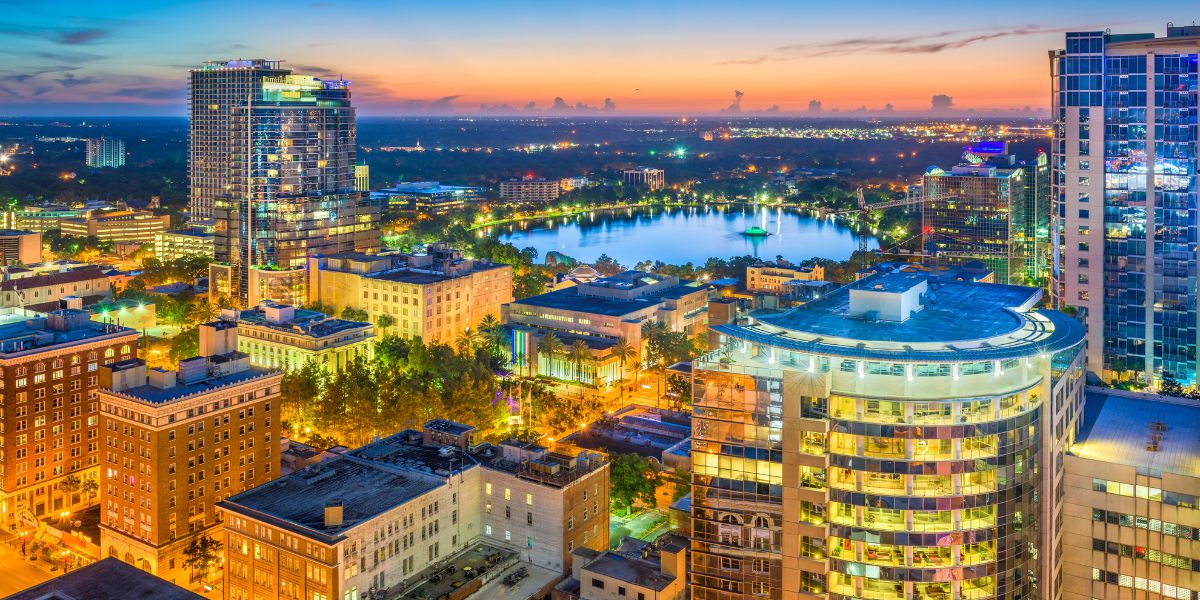
Nighttime aerial view of downtown Orlando, showing illuminated buildings and Lake Eola in the distance.

Adding a Personal Touch

Include a Local Guide for Your Clients

A handwritten note can add a personal touch to any gift, but why not take it further by providing your clients with a local guide to help them explore Orlando like a true resident? This personal touch, along with recommendations for your favorite restaurants, parks, or hidden gems they need help finding independently, shows that you’re invested in their long term happiness, not just the transaction, and it can help them feel more at home in their new city.

Extend the Invitation to Stay Connected

Your relationship with your clients does not end when they walk out the door. It’s important to stay connected by inviting them to local events or simply checking in as they settle into their new space. Whether it is a community festival, a neighborhood tour, or coffee at a local café, these little gestures go a long way in building a lasting bond. By showing that you care about their experience beyond the sale, you position yourself as their go to real estate expert.

Conclusion

A thoughtful closing gift is more than just a gesture; it’s a way to build lasting connections and keep your clients returning for future transactions or referrals. In a lively, fun-filled city like Orlando, the options for creative closing gifts are endless. Whether you choose a locally inspired gift, a custom keepsake, or a vibrant gift basket, you’ll be bringing the magic of Orlando into your client’s new home.

what to expect on closing day

What to Expect on Closing Day

Closing day is the final step in your homebuying journey—the moment you’ve been waiting for after months of preparation, searching, and negotiating. It’s a day filled with excitement and a process requiring attention to detail. Understanding what to expect on this crucial day can help you avoid last-minute surprises and ensure that the transition into homeownership goes smoothly.

In this guide, we’ll cover everything you need to know about the closing day, from the key players involved to the documents you’ll sign and the steps you need to take afterward.

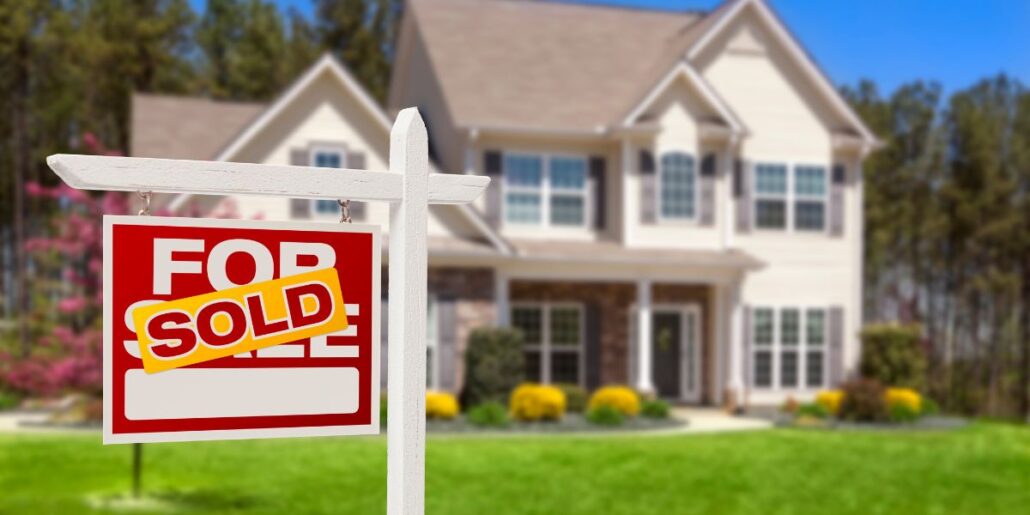
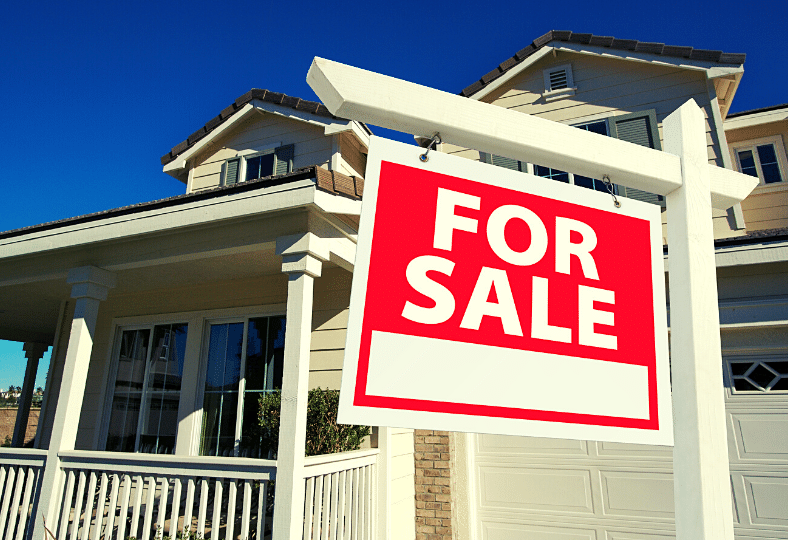
home with for sale sign sold

What is Closing Day?

Closing day marks the official homeownership transfer from the seller to the buyer. It’s the day when all the necessary documents are signed, the closing costs are paid, and property ownership is legally transferred. It’s the last piece of the home-buying puzzle, after which you’ll officially own your new home.

On this day, you’ll meet with several parties involved in the transaction, sign paperwork, and make final payments. It’s important to be well-prepared to ensure everything goes smoothly.


Key Players Involved on Closing Day

Real Estate Agent

Your real estate agent plays an essential role on closing day. They will guide you through the final steps, ensuring all agreement terms are met, and everything is in order.

Closing Agent/Title Company

The closing agent or title company ensures the accuracy of all paperwork, manages funds transfer, and guarantees the legal transfer of property ownership.

Mortgage Lender

Your lender verifies that the loan details are accurate and ensures that the funds are ready to be released for the home purchase.

Buyer and Seller Responsibilities

As the buyer, you are responsible for signing the documents, paying closing costs, and completing the final walkthrough. The seller’s role is to sign the deed and hand over ownership.


The Essential Documents You’ll Sign

During the closing, you’ll sign several key documents, each playing an important role in finalizing the sale.

Promissory Note

This document outlines your promise to repay the mortgage loan, including the amount borrowed, interest rate, and repayment terms.

Deed of Trust or Mortgage

This document secures the loan using your new home as collateral. It will also outline the lender’s rights if you fail to meet the payment terms.

Closing Disclosure

The closing disclosure outlines the final loan terms, closing costs, and other financial details. It’s crucial to review this document carefully before signing.

Title and Home Insurance Documents

These ensure that you’re legally protected as the new homeowner and provide proof of insurance for your property.

closing day handing over keys

What to Bring to Closing Day

Photo ID

To verify your identity, you’ll need a valid photo ID, such as a driver’s license or passport.

Certified or Cashier’s Check

This will cover your closing costs and any remaining balance for the down payment. Some closing agents also accept wire transfers, so check in advance.

Proof of Homeowner’s Insurance

Ensure you have proof of homeowner’s insurance and any necessary payments, as this is required before the lender releases funds for the mortgage.


Final Walkthrough Checklist

Before closing day, you’ll perform a final home walkthrough to ensure it’s in the agreed-upon condition.

Inspect Key Areas

Check appliances, plumbing, heating, and electrical systems to ensure everything works as expected.

Double-check Repairs

Ensure that any repairs agreed upon during negotiations have been completed.

Confirm No New Issues

Look for any new damages or problems arising from your last visit.


Closing Costs: What to Expect

Closing costs are an essential part of the home purchase process, covering a range of services and fees.

Breakdown of Typical Costs

  • Title insurance: Protects against issues with the home’s title.
  • Appraisal fees: Covers the cost of assessing the home’s market value.
  • Property taxes: These may need to be paid upfront, depending on the timing of your purchase.

Preparing for Closing Costs

Before closing day, it is essential to thoroughly review your closing disclosure to fully understand all the financial details involved in your home purchase. Ensuring you have the correct amount of money ready is crucial to avoid any last-minute complications. To confirm the exact figure you need to bring, work closely with your lender or real estate agent, who can provide accurate and up-to-date information tailored to your specific transaction. By meticulously preparing your finances and double-checking all amounts, you can ensure a smooth and stress-free closing process, allowing you to confidently transition into your new home.


What Happens After Closing?

Transfer of Ownership

After signing all the necessary documents, the property is officially yours. You’ll receive the keys and can start planning your move!

Mortgage Finalization

Once the paperwork is complete, the mortgage lender will finalize the loan, and you’ll begin your repayment plan according to the agreed terms.

Moving In and Next Steps

Now it’s time to update your address with relevant institutions, set up utilities, and move into your new home. Congratulations!

Now that you understand what to expect on closing day, ensure you’re fully prepared. Gather your documents, contact your real estate agent, and double-check the details. By taking these steps, you’ll ensure that closing day goes smoothly and that the keys to your new home will be in your hands without any hiccups. Get ready to enjoy the excitement of moving into your new home!


Success!

Closing day is the culmination of all your hard work and patience throughout homebuying. You can easily navigate this final step by knowing what to expect, preparing properly, and staying organized. Soon, you’ll be turning the key to your new home and starting an exciting new chapter of your life.


FAQ

Can closing day be delayed?

Yes, closing day can be delayed due to loan issues, unresolved repairs, or missing documents. It’s essential to stay in close communication with all parties to prevent delays.

 How long does the closing process usually take?

The closing appointment typically takes 1-2 hours, but this can vary depending on the complexity of the transaction.

What happens if something goes wrong during the final walkthrough?

If you find any issues during the final walkthrough, you can delay the closing or request that the seller address the problem before proceeding.

Discover what to expect on closing day in your homebuying journey. Learn about key players, essential documents, and final steps for a smooth transition.

how much money does it take to get into real estate

Do You Need Money to Get Into Real Estate?

Getting Into Real Estate

If you want to get into real estate, you may be looking at how much money you need to get started. When it comes to putting up a house, there are a number of things you will need money for. This can include everything from the down payment to the utilities. Here’s a look at some ways you can pay for them.

  • First, you should think about how much you have saved. This is important when you are figuring out how much you can spend on real estate. Usually, the larger the amount of money you have saved, the more you can get into real estate without hurting your savings.
  • Second, figure out how much you would like to spend. There is an idea floating around that you should fix up and buy a new home. While this is definitely something you should consider, it’s not necessary for getting into real estate. If you currently have a house that needs work, then you can save that money to put towards a new home. It doesn’t matter if you still live in the home as long as you are paying for it every month.
  • Third, think about the value of your house. Once you know how much money you can spend, you can figure out what the property is worth. If you are only looking to borrow a thousand dollars, then you can start by just looking for houses in your neighborhood that are currently up for sale. You can compare them to your own home to see how much they are worth. This can be very helpful when you are getting funding for your loan because you will be able to tell if the offer is close to what you can afford.

How Much Money Do You Need?

Getting into real estate isn’t going to be easy, but it can be very profitable if you know what you are doing. You need to make sure that you always have some money in the bank because you never know when you’re going to need it. For instance buying a condo can have a lot of HOA fees that you will have to take into consideration

Getting a loan is a big step, but it can be very helpful when you are trying to get money for other things. Make sure that you figure out how much money do you need to get into real estate before you try to get funding. This will ensure that you don’t end up losing your house or apartment.

real estate brokerage

How Much Does it Cost to Start a Real Estate Brokerage

Another option once you are in the real estate industry is to start your own brokerage. For those contemplating a foray into this industry, understanding the initial investment required is crucial. Let’s sheds some light on the key financial aspects of launching a real estate brokerage.

Initial Capital Outlay

The journey to establish a real estate brokerage begins with several initial expenses. Foremost is the licensing fee, which varies by state but is an indispensable legal requirement. Following this, securing a professional office space, either leased or purchased, forms a significant part of the startup cost. This space must be equipped with essential technology such as computers, a robust CRM system, and other office supplies. Additionally, initial marketing efforts, crucial for brand establishment and client acquisition, entail costs for digital marketing, signage, business cards, and potentially a launch event. These components collectively form the backbone of the brokerage’s operational capacity, necessitating a substantial but vital investment.

Ongoing Operational Costs

After the initial setup, a real estate brokerage faces ongoing operational costs. A major recurring expense is the maintenance and utilities for the office space, which varies based on location and size. Employee salaries, including administrative staff and possibly in-house real estate agents, form a significant portion of the monthly outlay. Insurance, both general liability and professional indemnity, safeguards the business against unforeseen liabilities. Furthermore, consistent marketing efforts to sustain visibility and attract clients, such as online advertising, client relationship management, and community outreach programs, require a dedicated budget. These regular expenses are crucial for the smooth functioning and growth of the brokerage.

Additional Financial Considerations

In addition to the obvious expenses, several other financial considerations warrant attention. Continuing professional development and training for staff, especially in a rapidly evolving market, is vital but often overlooked. Legal fees, including consultation and potential litigation costs, should be accounted for in the financial plan. Lastly, setting aside a contingency fund for unexpected challenges, market fluctuations, or economic downturns is a prudent strategy for long-term sustainability. These additional considerations, though sometimes peripheral, can significantly impact the financial health and resilience of a real estate brokerage.

open house tips

11 Tips to Have a Successful Open House

Hosting an open house is an essential step in selling a property, and its success can greatly impact your ability to find the right buyer. A well-executed open house can generate interest, create a buzz, and ultimately lead to a successful sale. To help you achieve this, we’ve compiled a list of essential tips that will make your open house event a triumph. Of course, your Realtor should be able to answer any questions you may have and help with the open house.

Prepare Your Property

Before opening your doors to potential buyers, ensure that your property is in pristine condition. Clean, declutter, and depersonalize your home to create a blank canvas that allows visitors to envision themselves living there. Small repairs and fresh coats of paint can also go a long way in enhancing the overall appeal.

Professional Staging

Consider hiring a professional stager to maximize your home’s visual appeal. They can arrange furniture and decor in a way that highlights the property’s best features and creates an inviting atmosphere. Proper staging can significantly impact a buyer’s perception.

good curb appeal

Curb Appeal Matters

First impressions count, so invest in your property’s curb appeal. A well-maintained front yard, a fresh coat of paint on the front door, and colorful flowers can make a significant difference. Don’t overlook this aspect, as it sets the tone for the entire visit.

Market Aggressively

Promote your open house through various marketing channels, including online listings, social media, and traditional advertising methods. Use high-quality photos and engaging descriptions to entice potential buyers. Consider creating a dedicated event page on social media platforms to generate excitement. Needless to say, if you didn’t price your home competitively, you may have a smaller turn out than you would like.

Select the Right Date and Time

Choose a date and time for your open house that maximizes attendance. Typically, weekends are preferred as they accommodate potential buyers who may be working during the week. However, take local customs and preferences into account, as this can vary by region.

Prepare Information Packets

Have information packets ready for visitors that include property details, floor plans, neighborhood information, and any pertinent documents. This will help potential buyers remember your property and make informed decisions.

Create a Welcoming Atmosphere

On the day of the open house, make sure your property is well-lit, pleasantly scented, and at a comfortable temperature. Offer refreshments, such as bottled water and light snacks. Playing soft, neutral background music can create a soothing atmosphere.

Engage with Visitors

Greet guests warmly as they arrive and offer to answer any questions. Give them space to explore but be available for questions or to highlight specific features. Be prepared to provide information about the neighborhood, schools, and local amenities.

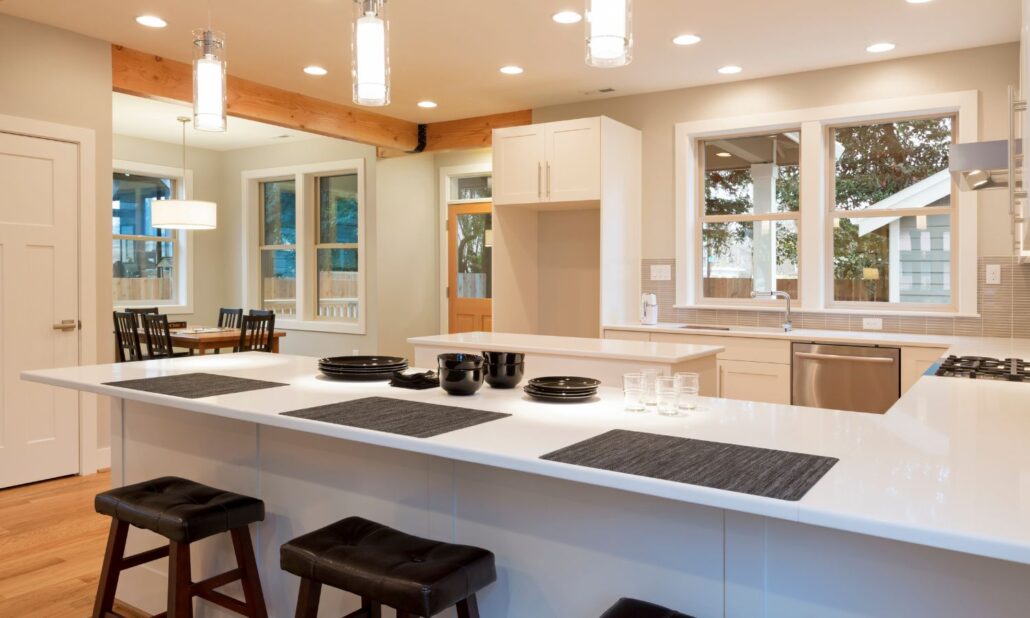
nice kitchen

Highlight Key Features

Emphasize the unique selling points of your property. Whether it’s a spacious kitchen, a stunning view, or a beautifully landscaped backyard, draw visitors’ attention to what sets your home apart from others.

Collect Feedback

Encourage visitors to leave feedback or comments about the property. This can provide valuable insights and help you address any concerns or objections potential buyers may have. Don’t take offense to any of the feedback. This is valuable information from your target market on what you can do to better your odds at selling the property more quickly.

Follow Up

After the open house, follow up with interested parties promptly. Send them additional information, answer their questions, and arrange private showings if needed. A quick and professional response can make all the difference in closing a deal.

Conclusion

A successful open house is a crucial step in selling your property. By following these tips, you can create an inviting and memorable experience for potential buyers, increasing your chances of finding the right person to call your house their home. Remember that preparation, presentation, and engagement are key elements in hosting a successful open house.

How To Buy A Rental Property

How to Buy a Rental Property

Statistic reports that in 2019, there were 14.5 households, 44 million residents, renting single-family homes in the U.S. Urban.org predicts a 21% rise in new rental households between 2020-2040.

Although single-family rentals can often generate strong, steady cash flows, it takes a lot of hard work to own rental real estate.

This article will discuss five steps to purchasing a rental property and the pros and cons associated with investing in real estate.

Is buying a rental property the best choice?

In just a few minutes, we’ll go over the basics of buying rental property. It is important to consider whether renting a property is the right choice for you.

The Internal Revenue Service may classify rental income as a passive activity. However, real estate investments require active participation and a willingness to take on more risk in return for higher potential rewards.

Real estate investors may need to continue oversight of their investments even if they hire a local property management company. Investors may have to approve certain repairs or improvements and review their financial statements monthly and annually, including the income statement, net cash flow report, and annual reconciliations.

Even with the best tenant screening, investors may find themselves with tenants who pay late rent or need to be evicted. Evictions can lead to lost rental income, which can quickly reduce potential profits and lower overall returns. It can also be costly and time-consuming to manage the eviction process.

A good investment property can offer the perfect triplet of recurring rental income and long-term appreciation in property values. Tax benefits are also available by deducting operating expenses and depreciation.

However, savvy investors consider the risks and benefits of investing before they make a move.

How to become a landlord and buy your first rental property in 5 steps

There are five steps you should follow once you have decided that renting a property is the right investment.

1. Arrange financing

A single-family rental property is different than a mortgage application for a primary residence. The down payments are larger, the lender fees and interest rates slightly higher, and you will need to meet different criteria.

  • The down payments range from 20% to 25% of the property’s purchase price. Some investors refinance their homes to make a down payment.
  • Experian states that a credit score of 720 is necessary to get the best loan terms. However, it is possible to buy an investment property even if your credit score is lower.
  • The borrower documents are copies of tax returns and bank statements. Proof of income is also required (similar to applying for a loan for a primary residence).
  • If periodic income is lower or expenses are greater than expected, lenders may request up to six months’ worth of mortgage payments in a reserve account.

There are many options for financing a rental property. Although there are more steps to take, there are still plenty of options. Conventional lenders, like banks and credit unions, offer loans backed by Fannie Mae and Freddie Mac. 

Other investors can obtain rental property financing through private lenders, or by forming a joint venture.

2. Learn about rental property returns

Real estate investors use return on investment (ROI), a financial metric, to determine the potential profitability of an investment property. An investor must know the following information to calculate the ROI for a property:

  • Annual rental income, including tenant rent and any additional income such as pet rent, is estimated
  • Estimate the annual operating costs, including property management fees, repairs, insurance, and taxes
  • Calculate annual cash flow by subtracting expenses from income to forecast
  • Calculate the down payment and other upfront cash, such as repairs that are needed
  • Calculate ROI by multiplying the annual cash flow by the total cash invested.

As an example, let’s say a rental property generates $18,000 in annual rental income. Operating expenses equal 50% of the income and the annual mortgage payment totals $6,000 (principal & interest only).

An investor would receive 8% if they made a down payment of $37500

  • Annual cash flow = $18,000 rental income – $9,000 operating expenses – $6,000 mortgage payment = $3,000 cash flow before taxes
  • ROI = Before-tax cash flow/ Total investment
  • $3,000 Cash flow before taxes / $37500 Total investment = 8.0%
How To Buy A Rental Property

3. Locate a rental property

Choosing the right rental property or the best real estate market is only one of the many factors you should consider.

  • Employment and population growth
  • percent of households occupied by renters
  • Rising rent prices and falling vacancy rates
  • Long-term appreciation may be possible due to historic changes in home values
  • Rating of the neighborhood, including quality school districts and employment rates
  • A turnkey single-family rental property that has a tenant (or a home ready to rent) is an option. This helps reduce the risk for first-time investors.
  • The rates of property tax can differ from one state to another, which can have a significant impact on your potential ROI.

You can purchase a house for sale online at many places, such as Zillow, Trulia, and Realtor.com. Most listings are only for people looking to purchase a primary residence.

4. If you are not able to manage your property yourself, hire a property manager

It can be difficult to become a landlord. You must manage a rental property by finding and screening tenants, collecting rent, and making repairs.

To keep rental property revenues growing and operating costs under control, landlords must comply with all applicable state and local landlord-tenant laws.

A local property manager is often hired by those who don’t have enough time to manage the property. A property manager can allow investors to reap the benefits of owning rental properties while also avoiding the headaches associated with being a landlord. 

Rental property managers are skilled in managing day-to-day operations so investors can concentrate on creating passive income streams and buying rental properties in the best markets to maximize their returns.

5. Keep track of income and expenses

Even experienced investors can find it difficult to keep track of income and expenses from rental properties. The following are common income and expenses that can impact the rental return of a home:

  • Rent income
  • Deposit security
  • Other income (pet, storage, laundry, roommate, etc.
  • Leasing fees
  • Fees for property management
  • Maintenance and repairs
  • Landscaping
  • Pest control
  • Sometimes, utilities are included in small multifamily properties.
  • Mortgage payments
  • Insurance
  • Property taxes
  • HOA fees
  • Depreciation expense
  • Owner expenses (such as a trip to an out-of-state property)
How To Buy A Rental Property

Tips for purchasing a great rental property

Roberti is the founder of the Rich Dad Company. He once stated that “Real Estate investing, even on an extremely small scale, remains a proven and trusted method of building one’s cash flow, and wealth.”

Although this may seem true, not all homes are good investments. Here are some tips to help you buy a great rental property.

  • Investing in real estate requires a long-term view.
  • The financial metrics for rental property investing include ROI, cash flow, cash on cash return, and cash flow. This guide will help you analyze real estate deals.
  • Before you decide what or where to purchase a rental property, it is important to thoroughly analyze each market.

There are other options for purchasing your first rental property.

In some markets, it is becoming harder to find the funds necessary to pay a large down payment in order to rent a property. There are many other options for purchasing a rental property, which require less money.

  • Rent out a bedroom in your home and then use the additional income to pay down an existing mortgage or raise funds for a downpayment.
  • Buy a small duplex/triplex and live in one of the units, you can use an FHA multifamily mortgage. 
  • A joint venture with another real estate investor can reduce the cash required to buy a rental home.
7 Tips for How To Pass The Real Estate Exam

7 Tips How To Pass The Real Estate Exam

If you’re thinking about becoming a real estate agent, then one of the first steps to launching your career as an agent or broker is to pass the real estate exam in your state. This step is essential, regardless of whether you are a good or poor test-taker.

You may now be asking, “How difficult is the real estate exam?”. The answer will depend on how much you prepare for it.

It is difficult to pass the real estate exam. However, it is possible with proper preparation. To get your real estate license, you need to pass the state exam as a broker or agent. It is important to prepare properly.

The Real Estate Exam

Is the real estate exam hard? Before we get into test preparation tips, let’s first look at the difficulty of the real estate exam.

Real estate exams are difficult and are meant to be passed to eliminate people who aren’t going to be skilled agents.

Although the pass rate will vary depending on which state you take, it is generally around 50% for all states. Only half of those who take state licensing exams pass.

This can be due to many reasons. Sometimes applicants are not good at taking tests. Sometimes applicants fail to complete a real estate education. It’s better to pass the exam than not, as there is a fee.

These tips will help to overcome the challenges and get you through the exam.

1. Learn Pre Licensing

It is important to take a pre-licensing class before you sign up for the realty licensing exam. Exam prep courses will teach you the exam material and tips to be a successful broker or real estate agent in your state. You will be well prepared for the broker or agent exam in your state.

I recommend finding a program to prepare you for the real estate exam in your state. Understanding the differences between the California and Michigan real estate exams is key to passing them both is the key to success.

As long as the state-specific course is not offered, an online real estate school may be an option. If you have a need for it, you can take a real estate class online.

real estate exam

2. You can take a practice exam (or two or three)

To help you determine if you are ready to take the real estate salesperson exam, a practice test is a great idea. This will give you an example of the questions that are asked on the exam. Make sure you have an exam that allows you to practice before you choose a pre-licensing course.

You can take the practice exam multiple times if you feel the need. You will become more confident in the actual state exam and won’t waste your money.

Take note of any questions that you encounter while practicing, and then focus your studies on those areas. You can, for example, focus your study on real estate math if you have more practice. This will increase your chances of passing your final exam.

3. Get good test-taking tips

The state exam prep course should not only cover the content but also provide advice on how to pass the exam by using better test-taking techniques. Here are some tips you might like to consider:

  • Ask questions that you already know.
  • Start by going backward and eliminating the wrong answers. Then, choose the best right answer.
  • Do not second-guess or change your answers.
  • Avoid asking difficult questions and then return to them if they are urgent.
  • You should breathe while you take the test. Low oxygen levels can cause memory problems.
  • You should read every word of the question. Sometimes, the meaning and answer of the question can be changed by small words such as “many” and “all”.

Remember that the goal is to score a passing grade, not necessarily get it right. So, answer your questions first.

4. Review the Notes

Make sure you have plenty of notes and cards to help you study for the exam. These notes can be saved to a digital card program. These note cards can be taken with you to review for the exam each second.

However, don’t let note cards stress you. You can use them to help you remember the information.

Repetition is key to learning. The more you practice, the better prepared you’ll be for the actual exam. Keep track of any difficult information you discover as you study and make note cards. Review, review, review again.

Take care of yourself

5. Take care of yourself

Make sure to get enough sleep and eat well in the days leading up to the real estate exam. Do not try to remember everything the night before or stay up late. You will not be able to pass the test no matter how well-prepared you are.

The night before the test, get a good night of sleep. This will help you pass the test more than any amount of cramming.

6. Remember, it’s not a race

This is something you won’t be taught in real estate school. However, it is important to remember that the real estate exam does not require you to race. Others will be able to complete the exam faster than you and others will take longer.

You must keep your pace to meet the time limit. However, don’t let it become a race to the finish.

7. Keep Positive

Your attitude is key to your success. Do not get caught up in details about your pre-license education or the passing rate of your state. Keep your head up and try to do your best. Your chances of succeeding are higher if you approach the test with the right attitude.

It’s okay to fail if the worst happens. If necessary, you can take the real-estate exam again. Take the time to learn from your mistakes and enroll in another course at a real-estate school.

sponsoring broker

What to do after passing the exam

Your real estate career can begin once all your hard work has paid off and you have passed your real estate exam. It can be difficult to get a career in real estate off the ground.

This is a great time to find a sponsoring broker. As an inexperienced agent, a sponsoring broker will supervise your work. They help you find clients and listings and bring brand recognition to the business.

You can continue your education after you have worked as a real estate salesperson for a while working with a sponsoring brokerage. You will soon be able to work independently as a REALTOR and without the supervision of a sponsor.

A necessary step in obtaining your real estate license is passing the real estate exam. You will be able to succeed if you take the time to study and use exam prep courses. You can always take the exam and continue the course if you have difficulty. This will consolidate what you’ve learned.

Mold Remediation Company

Factors to Keep in Mind When Looking For a Mold Remediation Company

Mold growth can be detected in any building or home. You should immediately contact a mold removal company if you detect any in your home. Because they are food sources for mold colonies, wood and drywall can be magnetized by them. Mold can quickly eat through affected surfaces and cause serious structural damage. You should contact a mold removal company immediately if you notice mold. You should not hire the first company that you find to remove mold.

Mold removal can be a complicated and costly process. It requires extensive training, expertise, and the use of specialized equipment and tools. It is important to ensure that the mold removal company you choose is licensed and properly equipped to deliver effective results. You are not only protecting your property, but also your health and that of your family members with mold removal.

Training & Certification of Employees

Mold removal technicians must have completed extensive training and be certified to perform the job correctly. Certified employees are a must for any mold contractor.

Mold Remediation Company

Air Testing

It is vital to find out if mold testing is offered by a mold remediation company. Mold technicians can identify the source of the problem by testing the air around the house before they begin the remediation process. After the mold removal is complete, it’s important to test the air for any signs of additional mold growth, especially if you live in an older historic home.

Mold Remediation Company

Types of Mold Testing Provided

Ask the service provider what types of mold testing they have available. Two methods can be used to determine the level of mold in the air: InstaScope and Air-O-Cell. Air-O-Cell Testing uses a cassette to capture the air sample and send it to a laboratory for scientists to determine the amount of mold in the sample. This requires the assistance of a third party. It is possible for mold removal firms to alter the results.

InstaScope Testing equipment measures the mold concentration in the air. The results are displayed in real time. The technician will show you the results immediately, so there’s no need to wait in a lab or worry about any tampering.

Mold Remediation Company

Company Insurance

Proper insurance is required for mold removal companies. This includes both basic insurance and Pollution Liability Insurance which provides coverage for an accident during mold remediation or home weatherization projects. Because of the high costs, some mold contractors might not be able to purchase proper insurance coverage. Choose a different mold remediation company if they do not have Pollution Liability insurance.

Mold Remediation Company

Free Mold Assessments

Reputable mold remediation companies will offer a free assessment of your home. This is a must-answer question to ask before they come to your house.

Mold remediation company

Isolation

Mold remediation should be done in an isolated area to prevent the mold from spreading to other areas. Look for another contractor if a mold contractor says that isolation is not necessary.

Safety of the Technicians

To prevent mold from spreading to other areas of your house, it is important for mold technicians to use safety glasses, hazmat suits, and shoe covers.

Mold Remediation Company

Guaranteed Work

There is always the possibility that mold growth may return after mold removal. After remediation, it is important to test the home for any mold growth. This allows you to identify potential problems and resolve them before the company leaves. Reputable mold remediation companies will stand behind their work and address any mold problems after they have completed the remediation.

Mold Remediation Company

Conclusion

A good mold remediation company can provide efficient mold remediation services if you have a problem with mold. If you are struggling with this common issue, do some research and contact a reputable mold remediation company today to get the problem solved!