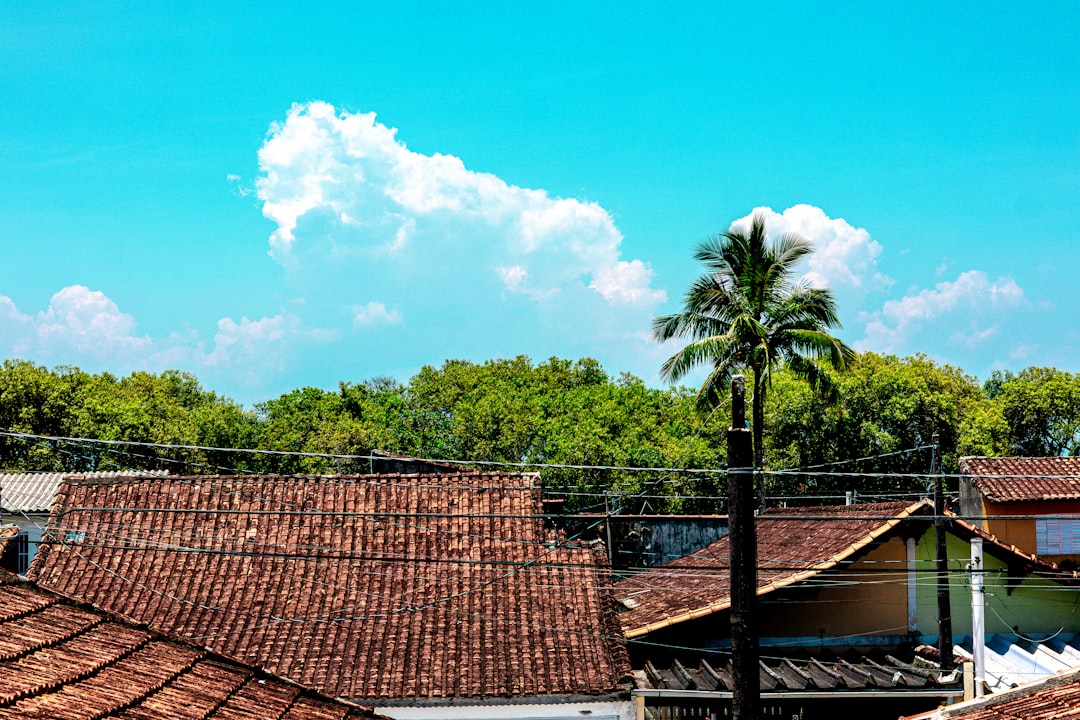
Choosing the Right Shield: A Guide to the Best Roofing Materials for the Louisiana Climate
The air in Louisiana is thick with more than just humidity—it’s thick with atmosphere, history, and the constant, looming presence of powerful weather. Picture a heavy afternoon downpour that seems to appear from nowhere, the sweltering summer sun that beats down relentlessly, and the ever-present threat that churns in the Gulf during hurricane season. For a Louisiana homeowner, a roof isn’t just a part of the house; it’s the primary line of defense against some of the most challenging weather in the country. Choosing the right material is a critical decision that impacts your family’s safety, your monthly energy bills, and the long-term value of your home.
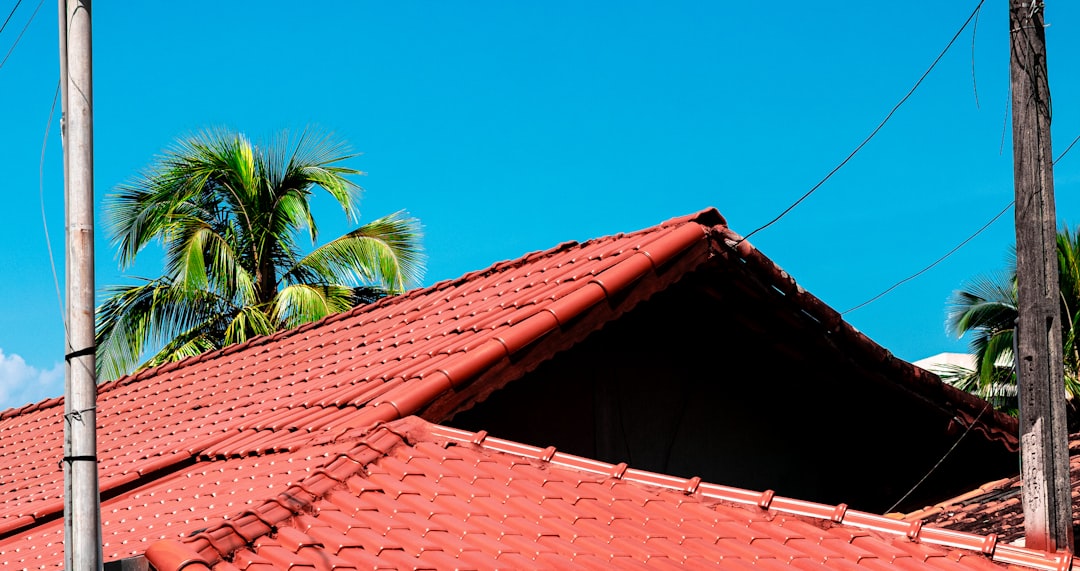
Here at orlando-real-estate.biz, we’ve built our expertise helping homeowners navigate the complexities of real estate in a demanding, storm-prone climate. While we’re based in Florida, we understand the unique challenges you face in Louisiana—from intense UV rays to high winds and oppressive humidity. We’re here to share our high-value expertise to help you protect your most important asset. This guide will break down the best roofing materials for Louisiana, helping you make an informed, confident decision that balances cost, durability, and long-term value.
Key Takeaways
- Louisiana’s climate requires roofs that can withstand hurricanes, intense heat, high humidity, and heavy rain.
- Metal roofing is a top performer for durability and energy efficiency but comes with a higher upfront cost.
- Architectural asphalt shingles offer a good balance of cost and performance, but quality and wind rating are crucial.
- Clay and slate tiles provide exceptional longevity and heat resistance but are heavy and expensive.
- Proper installation, ventilation, and underlayment are just as important as the roofing material itself.
- A high-quality, climate-appropriate roof can significantly increase your home’s resale value and may lower insurance premiums.
TL;DR
For most Louisiana homeowners, the best roofing materials are standing-seam metal roofing for maximum longevity, hurricane resistance, and energy efficiency, or high-quality architectural asphalt shingles with a high wind rating for a more budget-conscious yet durable option. The choice depends on balancing your budget with long-term performance goals.
Why Louisiana’s Climate Is a Roof’s Worst Enemy
Before you can choose the right shield, you must understand the forces it will face. The subtropical climate of Louisiana presents a unique combination of environmental stressors that can prematurely age and destroy a lesser roof. This isn’t just about surviving the next big storm; it’s about enduring a daily assault from the elements.
The Triple Threat: Hurricanes, Heat, and Humidity
- Hurricanes: This is the most obvious and destructive threat. A hurricane doesn’t just push on a roof; it creates powerful uplift forces that try to peel it off. According to the National Oceanic and Atmospheric Administration (NOAA), a Category 3 hurricane has sustained winds of 111-129 mph, which can cause devastating damage. Your roof needs exceptional wind uplift resistance and materials rated to withstand high-velocity impacts from flying debris.
- Heat: The relentless Louisiana sun is a silent destroyer. Intense ultraviolet (UV) radiation breaks down the chemical bonds in many roofing materials, especially asphalt, causing them to become brittle and crack. This heat also gets absorbed into your attic, forcing your air conditioner to work overtime and driving up cooling costs.
- Humidity: Constant high humidity creates the perfect breeding ground for mold, mildew, and algae. For materials like wood, it can lead to rot and structural decay. Moisture can work its way under shingles and into the roof deck, causing slow but significant damage that often goes unnoticed until it’s too late.
The Constant Downpour: Managing Heavy Rainfall
Louisiana is one of the wettest states in the nation. Frequent, heavy downpours test every seam, joint, and flashing on your roof. A system that isn’t perfectly watertight will inevitably lead to leaks. The right material must shed water efficiently and be part of a complete system with high-quality underlayment and flashing to prevent water intrusion.
The Insurance Factor: How Your Roof Choice Impacts Premiums
In a high-risk state like Louisiana, insurance companies scrutinize roofing with extreme care. The age of your roof, its material, its shape, and its wind-mitigation features all play a significant role in determining your homeowners’ insurance premiums. Investing in a more resilient, impact-rated roof can often lead to substantial discounts, helping to offset the higher initial cost over the life of the roof.
Top Roofing Material Contenders for Louisiana Homes
With the battlefield defined, let’s look at the warriors. Each of these materials offers a different balance of strength, longevity, and cost.
Metal Roofing (The Resilient Champion)
Once relegated to barns and commercial buildings, modern metal roofing is a premier choice for residential homes in storm-prone areas. Options range from classic corrugated panels to sophisticated standing-seam systems and stone-coated steel tiles that mimic the look of shingles or slate.
- Pros: Metal roofs offer superior performance against hurricanes, with many systems rated for winds of 140 mph or higher. Their interlocking panels provide incredible resistance to wind uplift. They have an exceptional lifespan, often lasting 50 years or more with minimal maintenance. Furthermore, metal is highly energy-efficient. According to the U.S. Department of Energy, “cool metal roofs” can reduce cooling energy costs by up to 40% by reflecting solar heat. They are also completely resistant to fire, rot, and insects.
- Cons: The primary drawback is the higher initial investment, which can be two to three times the cost of asphalt shingles. While modern installation techniques and insulation can mitigate it, some people are concerned about noise during heavy rain. Finally, lower-quality metal can be susceptible to denting from severe hail.
- Best For: Homeowners prioritizing maximum long-term protection, energy savings, and durability, and who have the budget for the upfront investment.
Architectural Asphalt Shingles (The Versatile Standard)
Asphalt shingles are the most common roofing material in the United States for a reason, but not all shingles are created equal. For Louisiana, the thin, flat 3-tab shingles are inadequate. The minimum standard should be architectural shingles (also called dimensional shingles), which are thicker, heavier, and constructed with a multi-layer design that provides better durability and wind resistance.
- Pros: Architectural shingles represent the best balance of performance and affordability. They are widely available in a vast array of colors and styles to match any home aesthetic. Installation is straightforward for experienced roofers, making repairs relatively simple.
- Cons: Their lifespan is significantly shorter in Louisiana’s harsh climate, typically 15-25 years, as the intense sun and heat accelerate their degradation. They are more susceptible to being lifted or torn off in hurricane-force winds compared to metal or tile, though high-quality products with enhanced nailing strips offer much-improved performance. They are also prone to the black staining caused by algae, so it’s essential to choose shingles treated with algae-resistant copper granules.
- Best For: Budget-conscious homeowners who need a reliable and proven roofing solution. It is absolutely critical to select a product with a high wind rating (look for Class F, 110 mph, or ideally Class H, 150 mph) and ensure it is installed precisely to the manufacturer’s specifications.
Clay or Slate Tiles (The Timeless Protector)
Walk through historic neighborhoods in New Orleans, and you’ll see the enduring beauty of clay and slate. These materials have protected homes for centuries and offer a classic, elegant look that is common in Spanish, Mediterranean, and French architectural styles.
- Pros: The primary advantage is unparalleled longevity; a properly installed slate or clay tile roof can easily last 100 years or more. They are completely impervious to fire, rot, and insects. Their mass and shape are excellent at shedding heavy rain and resisting the sun’s heat, helping to keep homes cooler.
- Cons: These materials are at the top of the price spectrum, making them the most expensive option. They are also extremely heavy and may require a structural engineer to assess and reinforce the roof deck to support the additional weight, adding to the cost. While durable, the individual tiles can be brittle and may crack if walked on improperly.
- Best For: High-end or historic homes where authenticity, aesthetics, and maximum lifespan are the primary goals, and where budget and structural capacity are not major constraints.
Composite/Synthetic Roofing (The Modern Innovator)
Composite roofing is an engineered product designed to deliver the best of all worlds. Made from a mix of polymers, recycled materials, and other additives, these products are crafted to convincingly mimic the appearance of natural slate, wood shake, or clay tile without their inherent drawbacks.
- Pros: Composites are incredibly durable. They often carry a Class 4 impact rating (the highest available), making them highly resistant to hail damage, and boast exceptional wind resistance comparable to metal. They are lightweight, so they don’t require structural reinforcement, and they are virtually maintenance-free.
- Cons: The cost is generally higher than asphalt shingles, often falling between asphalt and metal. As a newer category of material, they have a less extensive real-world track record in Louisiana’s climate compared to a material like slate, which has been proven over centuries.
- Best For: Homeowners who desire the high-end look of slate or wood shake (a very poor choice for humid Louisiana) but want a more practical, lightweight, and impact-resistant modern material.
At-a-Glance: Comparing Louisiana Roofing Materials
| Material | Lifespan (LA Climate) | Cost | Hurricane Resistance | Heat/UV Resistance |
|---|---|---|---|---|
| Metal | 50+ Years | $$$ | Excellent | Excellent |
| Architectural Shingle | 15-25 Years | $$ | Good-Very Good | Fair-Good |
| Clay/Slate Tile | 100+ Years | $$$$ | Excellent | Excellent |
| Composite/Synthetic | 40-50 Years | $$-$$$ | Very Good | Very Good |
How Your Roof Impacts Your Home’s Value (The Real Estate Connection)
This is where our expertise at orlando-real-estate.biz provides a critical perspective. A roof is far more than just a functional component; it’s a significant factor in the financial equation of your home.
Boosting Curb Appeal and Resale Value
As real estate professionals, we see firsthand how a new, high-quality roof can dramatically increase a home’s marketability. In a place like Louisiana, a brand-new metal or architectural shingle roof isn’t just a feature—it’s a massive selling point that signals safety, security, and lower future maintenance costs to potential buyers. It tells them they won’t have to worry about one of the biggest and most expensive components of a house for decades to come.
Navigating Home Insurance and Inspections
During the home buying and selling process, the roof is one of the first things an inspector and an insurance underwriter will examine. An old, worn-out roof can derail a sale or make a property uninsurable. Conversely, a new roof, especially one with documented wind-mitigation features, can lead to significant insurance discounts for the new owner and ensures a smooth, hassle-free inspection process.
A Shield for Your Investment
Ultimately, choosing the right roof is not an expense; it’s an investment in protecting the value and structural integrity of your property. It safeguards your home from physical damage while simultaneously preserving and even enhancing its financial worth in a competitive real estate market.
Choose Your Shield Wisely
Louisiana’s weather is a formidable opponent, but modern roofing materials, when chosen and installed correctly, are more than up to the challenge. The best choice for your home will always be a careful balance between your budget, your desired aesthetic, and your long-term protection goals. Whether it’s the resilient strength of metal, the balanced value of architectural shingles, or the timeless durability of tile, there is a solution that fits your needs.
Remember, the world’s best roofing material will fail if installed improperly. Always partner with a reputable, licensed, and insured local installer who understands the specific building codes and environmental demands of your area. Poor workmanship is one of the most shocking reasons why Louisiana roofs fail early. Protecting your home is key to protecting its value. For more expert insights on maintaining and enhancing your property, you can explore the full range of resources and articles available from orlando-real-estate.biz by browsing our post sitemap and our primary page sitemap.


